
Imagine a A School that Operates Part-Time

What is a hybrid school?
Hybrid schools are part-time learning communities where students attend classes 2–3 days per week and continue learning at home.
Why do Families Choose Hybrid School?
• 2-3 days per week on campus
• 32-36 week school year
• 6- 7 hour school days
• ~$3,000 annual tuition
• Academic skills + tangible experience + good books
A Proven Model
There are many variations, but here is a simple, proven model balancing affordability, community, and core academics.
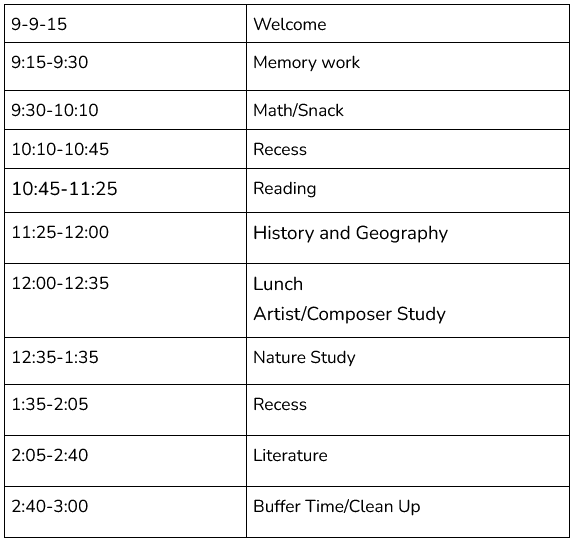
School Day
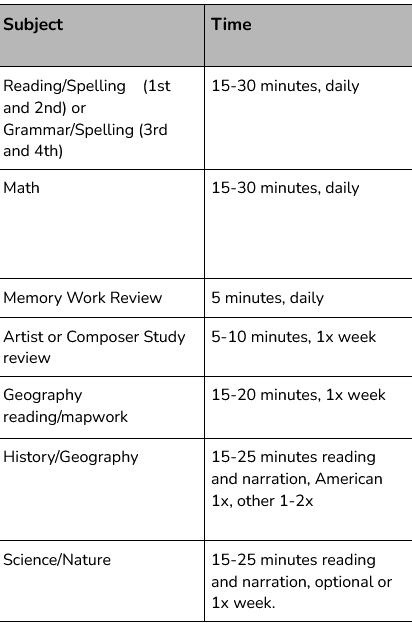
Home Day
Edu-preneurs are Born When Someone Sees a Need
Nearly every grassroots founder begins as a parent or teacher who see a need.
Molly* had an active and bright son who read early and loved to build. By the end of first grade at public school he was bored and discouraged. She researched homeschooling but needed to work at least part-time and was concerned her extroverted son would be lonely at home.
In a year, she was able to rent a couple of rooms from a local church, hire two teachers and an aide, and employ herself as director of the program.
Now her son is in a tight-knit community, loves going to school two days a week, and spends good portions of his home days pursuing his interests.
Molly employs 5 teachers and the program has grown to around 70 kids. She works as Director and earns a fair part-time income while working with her kids’ schedule. There is so much interest, she is considering hiring a co-director and opening another set of two days with an optional 3rd day.
*These examples are composite prototypes of several real people’s stories. Check out Kerry McDonald’s interviews for individual founder stories!
Sarah* watched her niece come alive when she was designing and drawing. Her sister home schooled and ran her own counseling business but it was tough to balance the two. Sarah was a freelancer and able to help once a week while her sister worked. She discovered several of her niece’s friends loved to join.
Sarah formalized the group into a 2-day program where academic skills were supported in the morning and the afternoon was focused on books and hands-on projects.
Several more kids joined and she hired an aide. Sarah’s sister now is able to work at her counseling business two days a week knowing her daughter is in good hands and enjoying her friends and creative interests.
Sarah plans on keeping the program at around 20 kids.
Andrea and Tammy* were college friends and had kids around the same times. As the kids grew, they felt growing discontent with their schooling options. Andrea’s daughter had dyslexia and Tammy’s son was very sensitive and prone to anxiety. The local private schools were far out of their price range and the public schools had poor reputations for academic performance despite long days and frequent testing.
After some brainstorming and talking to others in the community, they estimated they could open a program that ran three afternoons per week and covered history, science, music, and art with plenty of time for play and socialization, and keep tuition at under $2,500 by running a shorter school year.
They shared director duties, hired two teachers, and opened with 24 kids. In a few years, they tripled in size.
Explore Founder Resources
Check out the Ideas sheet for some entrepreneurial ideas or the Alternative Models sheet outlines for some variations of the hybrid school model.
Once you can envision your model, you will need to validate your market.
Get the Ebook

I wrote a short ebook sharing my journey and the founding of Providence Hybrid Academy. I’d love to share it with you! Just fill out the form below, and I’ll send a copy straight to your inbox.
(By signing up, you’re also opting in to receive occasional updates and insights from me—because building a school is better with a community by your side!)